Biometric Authentication Reshapes Reward Verification in UK's Mobile Table Gaming Platforms
Written by Rafael Perry · Sep 14, 2026
Biometric Authentication Reshapes Reward Verification in UK's Mobile Table Gaming Platforms
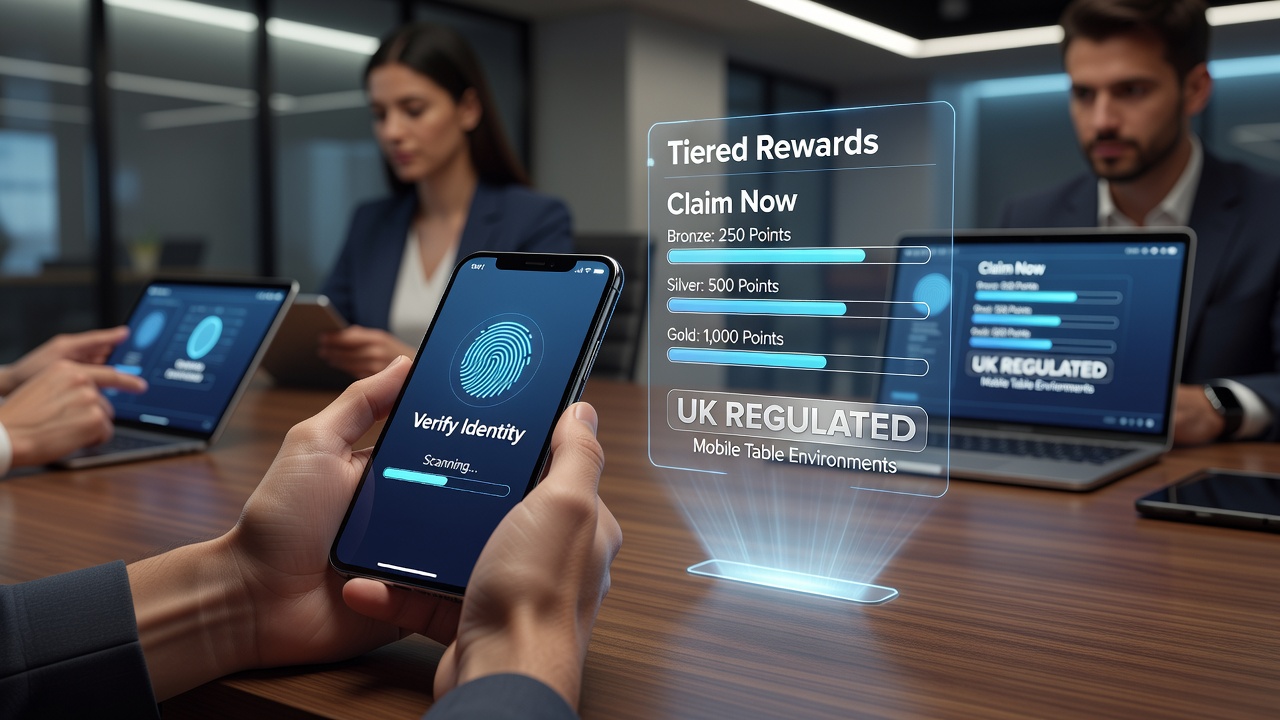
Device biometrics have started to alter verification steps for players accessing tiered rewards in regulated mobile table environments across the UK, and data from multiple regulatory frameworks show increasing integration of fingerprint and facial recognition systems on iOS and Android devices. These technologies link directly to player accounts, allowing operators to confirm identities without repeated manual document uploads while supporting reward structures that scale based on activity levels in games such as blackjack and roulette.
Core Mechanisms Behind Biometric Integration
Smartphone sensors capture unique physiological data during initial setup, then compare subsequent scans against stored templates stored locally on the device rather than transmitting raw images over networks, which aligns with privacy standards outlined in various international data protection rules. Players complete one-time enrolment that ties their device profile to gambling accounts, and this process enables quicker progression through reward tiers when activity thresholds are met in live table sessions. Research from academic institutions indicates that local processing reduces latency during login sequences, which in turn supports seamless transitions between verification and reward claim interfaces in mobile applications.
Operators have adjusted backend systems to accept biometric confirmations as valid proof of continued eligibility for higher-tier benefits, and figures from industry reports reveal adoption rates climbing steadily since early implementations in 2024. In September 2026 several platforms plan expanded rollout of multi-factor biometric checks that combine device sensors with behavioural patterns such as touch pressure and swipe velocity, creating layered verification without adding friction to table game play.
Impact on Tiered Reward Structures
Tiered reward programmes typically award points or bonuses according to wagering volume and session frequency, yet verification bottlenecks previously delayed access until manual reviews concluded. Biometric systems shorten these intervals by confirming identity in seconds, allowing players to unlock cashback percentages or exclusive table limits as soon as cumulative activity reaches defined milestones. One study conducted by university researchers in Canada documented a measurable decrease in claim processing times when biometric authentication replaced traditional methods, and similar patterns have appeared in UK operator data shared through trade associations.
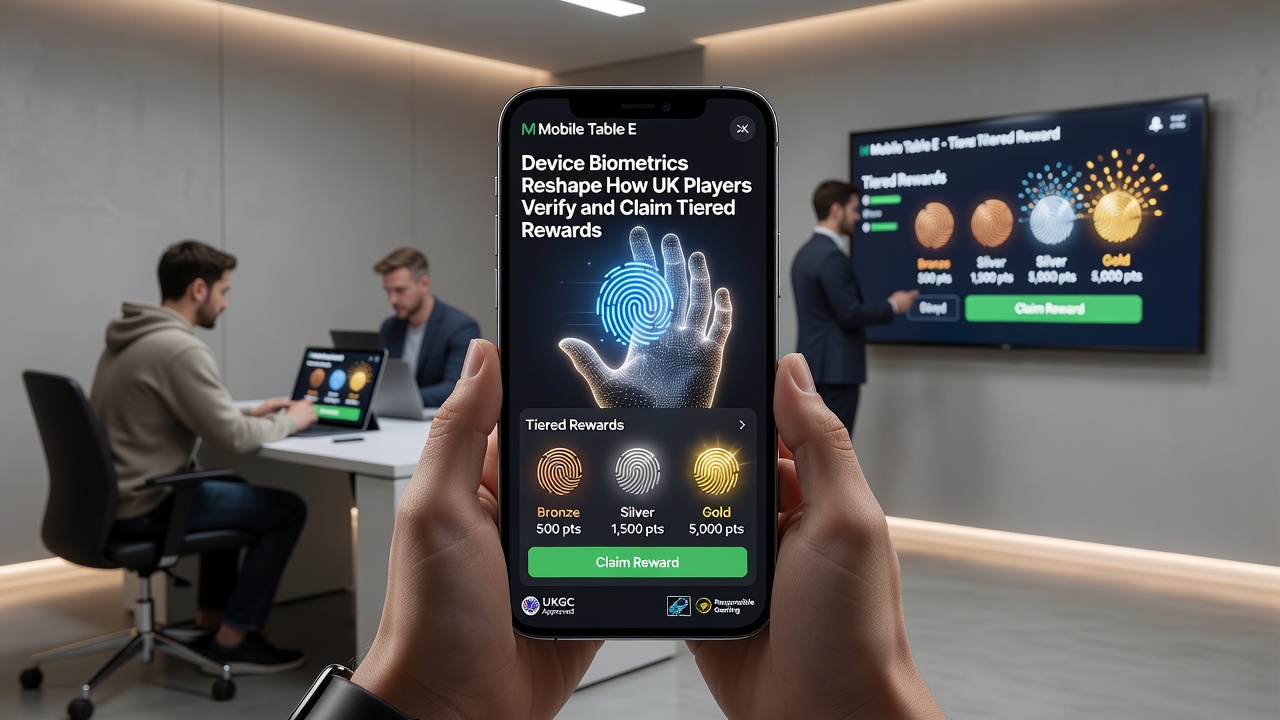
Live dealer environments benefit particularly because sessions often run continuously, and interruptions for additional checks can disrupt flow. Biometric prompts appear only when reward tier boundaries are crossed, keeping focus on gameplay while still satisfying regulatory requirements for ongoing identity assurance. European industry groups have noted that such streamlined processes encourage sustained participation without compromising compliance frameworks established outside the UK.
Regulatory Context and Cross-Border Comparisons
Multiple jurisdictions have examined biometric data handling in gambling contexts, with Australian oversight bodies publishing guidelines that emphasise consent and data minimisation similar to those influencing UK operators. These approaches require clear user notifications about what information is collected and how it supports reward eligibility checks. In parallel, reports from the Nevada Gaming Control Board highlight successful deployment of device-based authentication in mobile platforms, providing reference points for British operators adapting comparable systems.
September 2026 marks a scheduled review period for several mobile platforms where biometric verification will become a standard option for tier progression in table environments, driven by updates to data security protocols rather than new licensing mandates. Players who have already enrolled see automatic recognition across sessions, whereas new users complete enrolment during account creation, after which reward tracking activates without further manual steps.
Technical Considerations for Mobile Table Environments
Table game applications must maintain stable connections during biometric scans because any network drop can reset verification sequences, and developers have implemented local fallback templates to prevent session loss. Android devices utilise TrustZone hardware isolation while iOS relies on the Secure Enclave, both architectures ensuring that biometric data never leaves the device during routine reward claims. Observers note that these built-in protections reduce exposure compared with cloud-stored identifiers, and industry testing continues to refine accuracy rates across diverse lighting conditions and device models.
Case examples shared by platform providers illustrate how a player reaching a mid-tier reward threshold receives an instant prompt to confirm identity via fingerprint, after which bonus funds appear in the account balance within the same interface. Such integration keeps table play uninterrupted and supports the continuous accumulation of points needed for higher tiers.
Conclusion
Biometric capabilities embedded in consumer devices continue to influence how verification occurs alongside reward distribution in regulated UK mobile table settings. As September 2026 approaches, expanded features will likely standardise these methods further, supported by technical standards drawn from multiple regulatory regions and research findings. The result is a verification pathway that connects identity confirmation directly to reward access without introducing additional procedural layers.