Mapping Behavioral Data to Personalized Rewards in Britain's Multi-Device Mobile Gambling Ecosystem
Written by Mara Walter · Aug 31, 2026
Mapping Behavioral Data to Personalized Rewards in Britain's Multi-Device Mobile Gambling Ecosystem
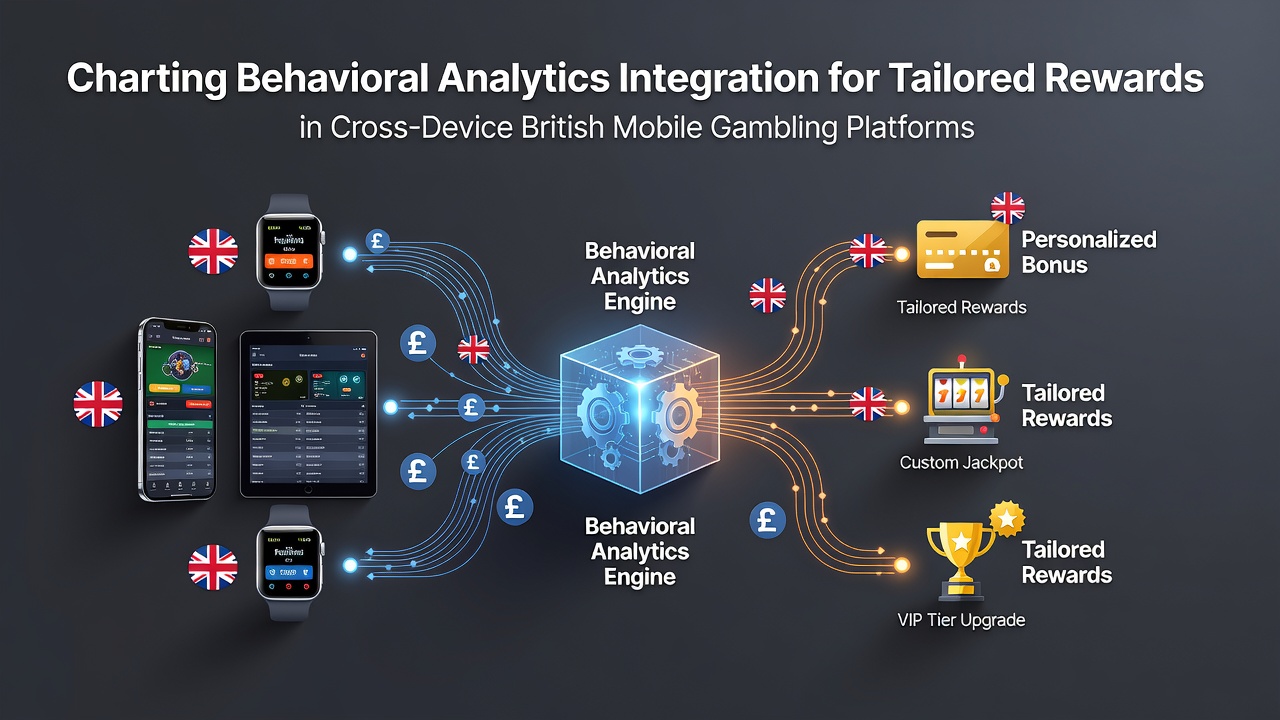
Behavioral analytics now shapes how British mobile gambling platforms deliver rewards that adjust to individual patterns, and operators track user interactions across smartphones, tablets, and other devices to refine these offers in real time. Data collection begins the moment a player logs in, capturing session length, game preferences, and navigation habits before algorithms process the information into tailored incentives such as deposit matches or free spins that align with past activity. This approach relies on cross-device synchronization, allowing a session started on an Android phone to continue seamlessly on an iPad while the reward system maintains continuity without resetting progress or eligibility.
Core Components of Analytics Integration
Platforms collect metrics that include time spent on specific slots, frequency of table game selections, and response rates to previous promotions, then feed these into models that predict the next likely engagement point. Researchers at institutions like the University of Nevada's International Gaming Institute have documented how such models improve retention rates when they incorporate device-specific variables, for example noting higher conversion on larger screens during evening hours. Integration occurs through APIs that connect player databases with reward engines, ensuring that a user who prefers live dealer tables receives offers tied to those experiences rather than generic bonuses.
Cross-device functionality demands robust data matching techniques, and operators employ device fingerprinting alongside account authentication to merge profiles accurately. Studies from Australian government-funded research centers indicate that seamless tracking across operating systems reduces duplicate entries by up to 40 percent while maintaining compliance with privacy standards. In practice, this means a player switching from iOS to Android mid-week can still access streak bonuses without manual intervention, because teh underlying system recognizes the shared behavioral signature.
Implementation Patterns Observed in August 2026
By August 2026, several major British operators had expanded their analytics frameworks to include predictive elements that forecast reward uptake based on historical cross-device data. These updates coincided with broader industry shifts toward real-time personalization, where machine learning layers adjust offer values according to recent activity spikes detected on any linked device. Observers note that platforms now prioritize metrics such as swipe patterns on touchscreens and pause durations between rounds, since these signals correlate strongly with player intent and optimal reward timing.
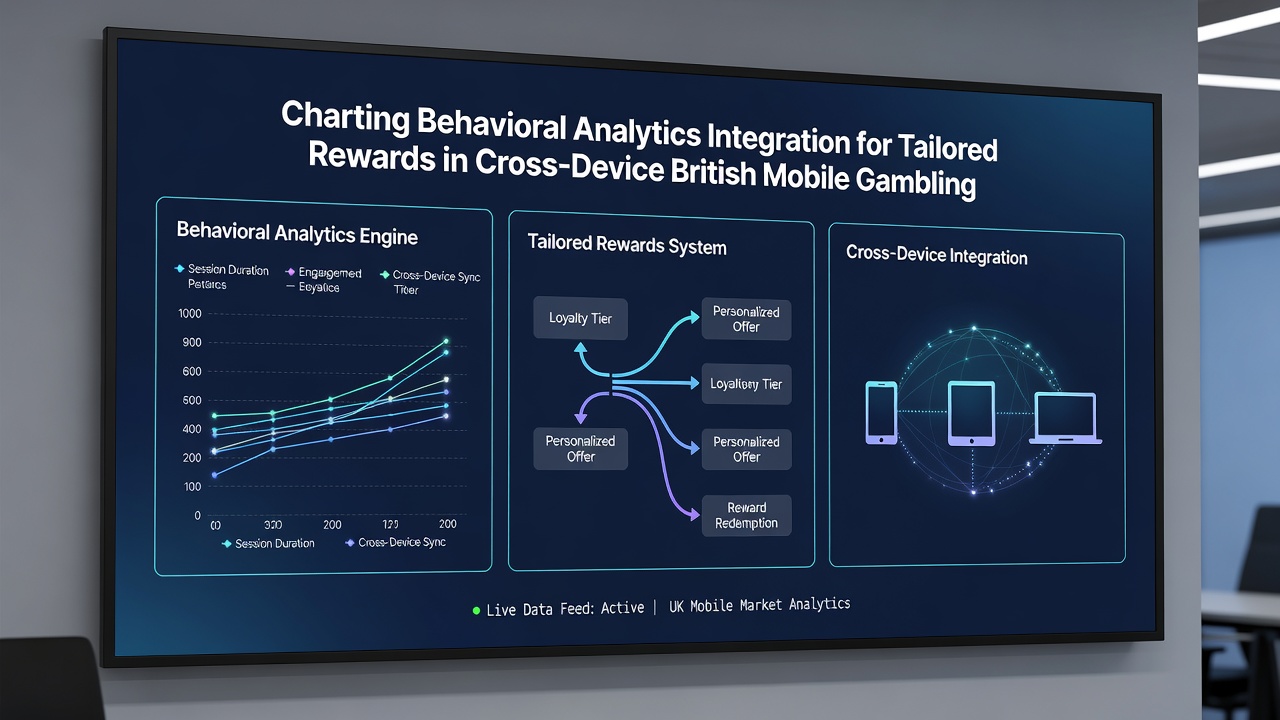
One documented case involved a mid-sized operator that integrated heat-mapping tools to visualize where users linger within an app, revealing that certain reward pop-ups performed better when triggered after a losing streak on mobile rather than desktop. This led to refined delivery schedules that boosted redemption rates without increasing overall promotional spend. European academic consortia have examined similar deployments and found that combining location data with behavioral logs further refines targeting, although British platforms must navigate additional data protection layers to avoid overreach.
Technical Challenges and Solutions
Data latency remains a persistent issue when synchronizing across networks, yet developers address this through edge computing nodes that process local inputs before central aggregation. Reports from Canadian regulatory analyses highlight how similar architectures in other jurisdictions maintain accuracy even during peak traffic periods, suggesting transferable lessons for British systems. Encryption protocols protect the transmitted behavioral profiles, and operators conduct regular audits to verify that reward calculations remain consistent regardless of the entry point device.
Integration also requires careful calibration of reward tiers so that high-frequency mobile users do not receive disproportionately larger incentives than those who engage primarily on tablets. Industry trade groups emphasize the value of A/B testing frameworks that isolate device effects from pure behavioral signals, allowing fine-tuning without disrupting the overall ecosystem. Those who have implemented these controls report smoother rollout phases and fewer player complaints about mismatched offers.
Future Trajectories for Cross-Device Reward Systems
Continued refinement of behavioral models will likely incorporate more granular inputs such as battery level and network type, since these factors influence session quality and subsequent reward responsiveness. Partnerships between platform providers and analytics specialists are accelerating the adoption of unified dashboards that present cross-device insights in accessible formats for compliance teams. Data from academic collaborations across multiple continents shows measurable gains in engagement when personalization accounts for device transitions explicitly rather than treating them as isolated events.
Conclusion
British mobile gambling platforms continue to advance behavioral analytics as a foundation for cross-device reward tailoring, with August 2026 marking expanded use of predictive tools that align offers to verified user patterns. These developments rest on established data practices and technical integrations that prioritize consistency across devices while respecting regulatory boundaries in other regions. Observers expect further evolution as new metrics and synchronization methods emerge, supported by research from diverse international sources that validate the effectiveness of such systems when implemented with precision.